
Tax Reform, Digital Transformation and the Role of Automation: Key Insights from the 1st Episode of Homine Talks, which featured Luiz Albertin, Solutions Engineer at Avalara
June 26, 2025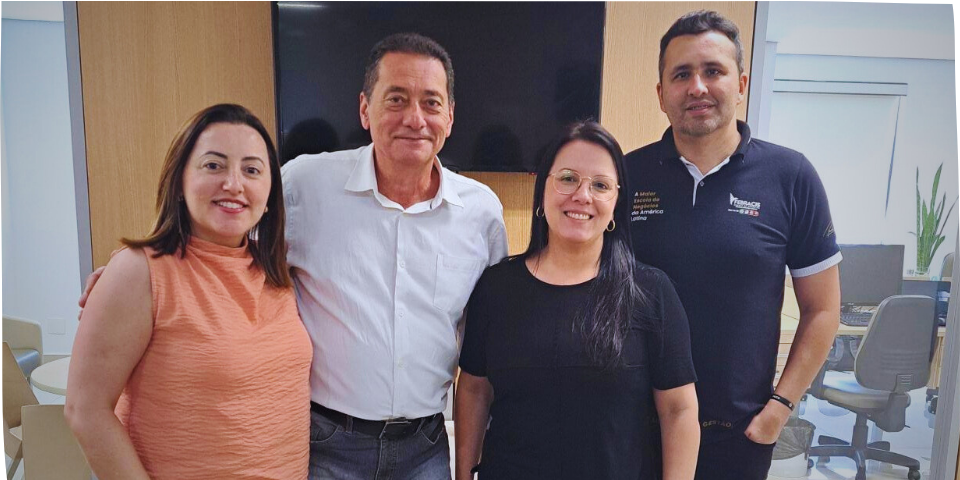
Meet the Homine team that's driving Avalara solutions forward in companies.
September 4, 2025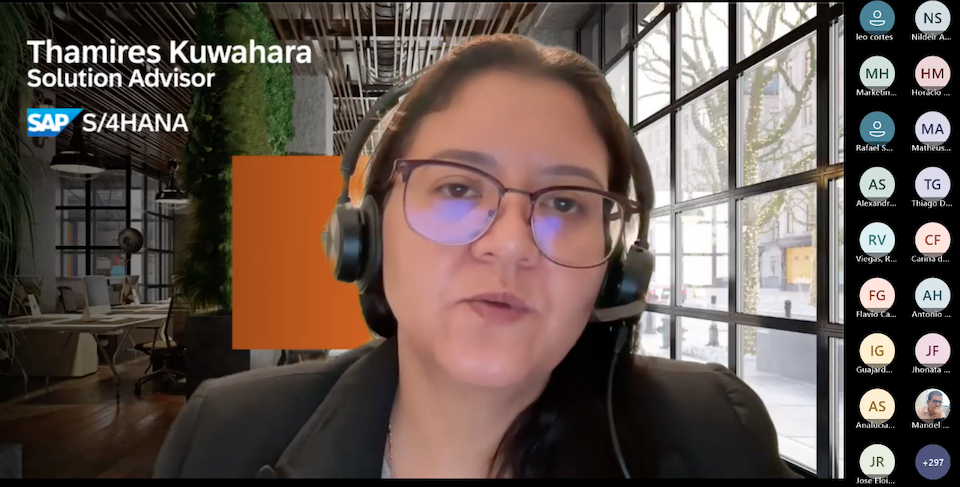
Understand the impacts of the new legislation on SAP ERP and what needs to be done urgently to ensure tax compliance..
With the Tax Reform, companies that operate with ERP systems need to prepare for the changes that will directly impact the issuance processes (Outbound) and receiving (Inbound) of electronic invoices. To support organizations using SAP ERP, Homine Tecnologia held a webinar. Electronic invoices and the Tax Reform: how to prepare your company's SAP ERP system?, with the exclusive participation of Thamires Kuwahara, Solution Advisor for SAP S/4HANA and SAP tax solutions.
In a clear and straightforward manner, Thamires demonstrated how companies should prepare for the requirements of the Tax Reform within the SAP environment. In her presentation, the speaker provided an overview of the Reform, presented what SAP has already made available, and detailed the main impacts on the ERP, both in ECC and S/4HANA.
Below, we've compiled the key highlights, warnings, and takeaways from the presentation, which serve as a true guide for this transition.
The reform goes beyond IT and requires mobilization from business areas.
Thamires began the presentation by outlining four essential steps for the transition: Business planning, IT readiness, Implementation It is Transition to productionShe emphasized that the Tax Reform impacts the company as a whole, not just the IT area, which requires deep involvement from other business areas such as Purchasing, Sales, Tax, Finance, and Legal-Tax.The first step is to understand the impacts of the new taxes on the finance sector and throughout the company's logistics, reviewing open contracts and orders, processes, and ongoing projects, only then reflecting the changes in the system and moving forward with IT."He explained."
In preparing for IT, Thamires highlighted the importance of keeping the SAP environment up-to-date with the... Support Packages The minimum recommended requirements for each ERP version, whether ECC or S/4HANA, are outlined. This greatly facilitates the next step, which is the implementation of the SAP Notes for the Tax Reform. The expert warned that companies should closely monitor the releases – the first SAP Note was released in January, creating the new taxes, and several others are already available. She emphasized that it is essential to work together with the consulting firm to keep the system updated.
However, he explained that even companies that are not yet up-to-date can still apply the standards, although with a greater number of prerequisites and, consequently, more technical effort.
End of GRC NF-e: migrate to SAP DRC as soon as possible.
Among the most important warnings during the webinar, Thamires mentioned the end of maintenance for GRC NF-e, an old SAP messaging tool, in December of this year. To be able to issue and receive their invoices in compliance with the requirements of the Reform, companies need to migrate to the new system as soon as possible. SAP DRC (Document and Reporting Compliance).
DRC is SAP's global tool, present in Brazil for over six years. Thamires highlighted that, being a SaaS (Software as a Service) solution, the responsibility for layout updates, communication with web services, and legal regulations falls to SAP itself. This reduces operational complexity for the client and increases the reliability of the messaging.
SAP's timeline and what customers can already do.
Next, Thamires presented what SAP has already made available, such as the first SAP Note with the new taxes (CBS and IBS), changes to the invoice accounting program in SAP, and updates to taxes and the TAXBRJ, TAXBRA, and RVABRA calculation schemes (SAP Notes released from the end of March). "We have clients who are already up-to-date, able to generate everything from the sales order, through shipping, to invoicing and recording the sales invoice."he observed.
Starting in October, in addition to updating SAP DRC with new layouts and events, adaptations are planned for other sector-specific solutions (Telecom, Oil and Gas, Insurance) and the release of the homologation environment for testing. go-live It happens at the turn of December to January, which requires urgent technical and business preparation on the part of companies.
And what can customers already do? According to Thamires, they should:
- Migrate outdated solutions, such as GRC, to DRC;
- Update the Support Packages to the current level;
- Configure settings within the environment (set up rules and rates, update pricing and tax calculation schemes, etc.);
- Issue a manual invoice with the new taxes;
- Testing end-to-end processes with electronic invoicing.
The expert also emphasized the importance of keeping up with updates via Regulatory Change Manager (RCM), a global tool that centralizes legal changes related to the Reform, lists the impacted products, released SAP Notes, and indicates the status of each update (released, planned, under review).
Concluding her presentation, Thamires Kuwahara presented the advanced functionalities of SAP DRC, highlighting the new centralized monitor within the ERP itself, whether it's ECC or S/4HANA. She also addressed the current scope of DRC Inbound and Outbound and the automation and control gains provided by the solution.
Implementation methodology for SAP DRC Inbound and Outbound.
Following Thamires' presentation, it was the turn of Homine's solutions architect, Manoel Messner, to speak. He detailed the SAP DRC implementation methodology developed by the consultancy. Projects can be completed in up to three weeks for Outbound and eight weeks for Inbound. However, if conducted in parallel, Messner explained that it is possible to complete both in nine weeks. He showed all the stages of each project, from ERP configuration, scenario analysis, technical testing, creation of business rules, training of key users, go-live and assisted operation.
Homine hosted a webinar with SAP on May 15, 2025. You can download the presentations used at the event by clicking on the link: https://conteudo.homine.tech/webinar-com-sap-notas-fiscais-eletronicas-e-a-reforma-tributaria-como-preparar-seu-erpTo watch the full recording, click here. here.
Homine is prepared to assist your company at every stage of this process, with Practical experience in SAP DRC Inbound and Outbound projects. And a multidisciplinary team ready to accelerate your company's adaptation to the new tax reality. Schedule a free consultation with our team of SAP experts. or send an email to atendimento@homine.tech.